
“Body rubs” is a term that carries a little mystery, especially in a dense, fast-moving place like Manhattan. For some, it evokes a soothing spa session: warm oil, slow strokes, a chance to breathe. For others, it triggers questions about legality, safety, or whether the service crosses a line into sexual territory. The truth sits somewhere between those extremes and depends on the provider, the setting, and local regulations.
This article walks that middle path. It explains the terminology you’ll encounter, the kinds of services commonly called body rubs, how to find reputable providers, and how to protect your health and comfort while getting the care you want. No judgment, no euphemisms — just practical guidance for anyone curious about body rubs in Manhattan.
How the term is used in New York City contexts
“Body rub” is an umbrella phrase. In advertising it can refer to traditional therapeutic massage techniques — Swedish, deep tissue, sports massage — or to more ambiguous services involving friction and oil. The ambiguity is why people searching for Manhattan body rubs often get mixed results: a licensed spa listing, a small neighborhood studio, even personal ads.
Because the label is elastic, it’s important to read beyond it. A reputable clinic will describe its modalities clearly, list practitioner credentials, and explain health benefits. Ads that rely on coy language without clear descriptions deserve skepticism. In a city with many options, clarity is a sign of professionalism.
Common types of body rubs and what each does for you
Different techniques target different needs. Here are the modalities you’re most likely to encounter in Manhattan and what they aim to achieve.
Swedish and relaxation-oriented body rubs
Swedish massage focuses on relaxation: long gliding strokes, mild pressure, and a rhythm intended to reduce muscle tension and lower stress. It’s the go-to for first-timers or anyone who wants to unwind after a long day on subway platforms and sidewalks.
Expect a quieter room, neutral to warm temperature, and optional aromatherapy. Communication about pressure and areas to avoid is standard practice.
Deep tissue, sports, and therapeutic body work
When muscle knots or chronic tension are the problem, deeper techniques come into play. Deep tissue body rubs use slower, firmer strokes to reach tight layers of muscle; sports massage is tailored to athletes and recovery. Practitioners who offer these services should discuss your injury history and adjust pressure accordingly.
These sessions can be intense. Soreness afterwards is not unusual, but severe pain or unusual symptoms should prompt you to stop and consult a medical professional.
Alternative and niche modalities
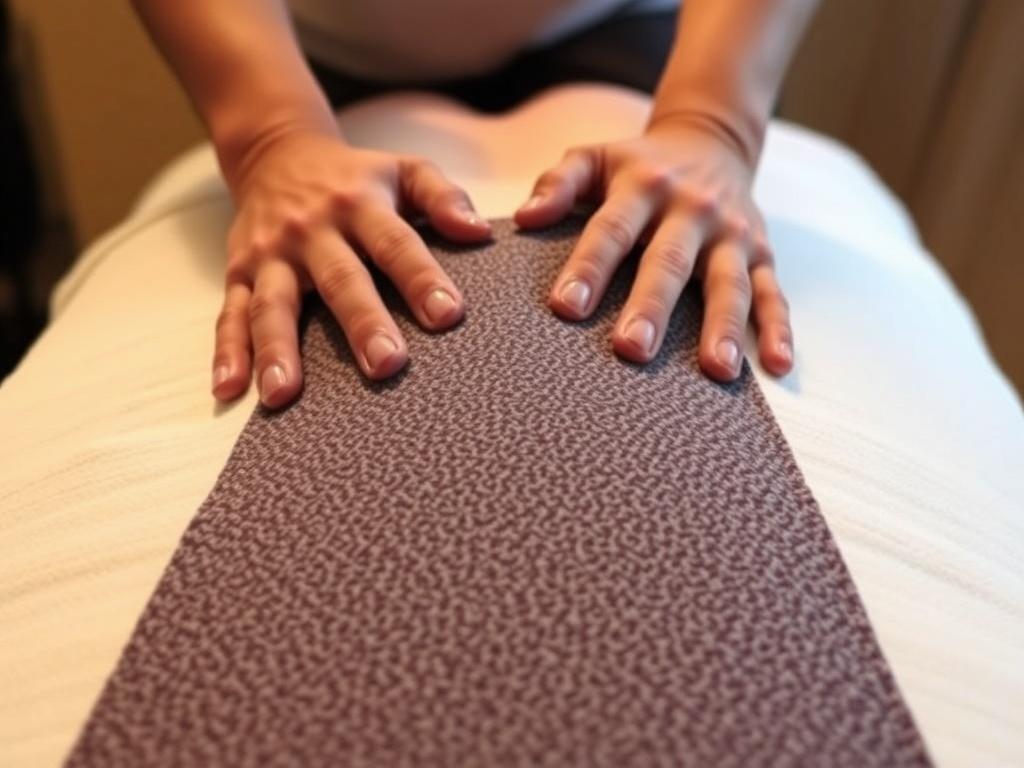
Hot stone, shiatsu, cupping, lymphatic drainage, and reflexology sometimes appear under the body rub umbrella. Each has its own theory and technique — stones for localized heat, shiatsu for acupressure points, cupping for suctioned tissue release. If a modality is unfamiliar, ask the practitioner to explain the expected sensations and the evidence behind it.
Good providers will set expectations, explain benefits and limits, and adapt the session to your comfort and health needs.
How to choose a reputable place in Manhattan
Finding a trustworthy provider means doing a little homework. In a place where options multiply by neighborhood blocks, the extra five minutes you spend vetting a business can save stress later.
- Look for transparent descriptions of services and pricing on the business website or listing.
- Check practitioner qualifications: training programs, certifications, and membership in professional associations (e.g., AMTA or FSMTB in the U.S.).
- Read recent, balanced reviews. Watch for consistent praise or repeated concerns about the same issues.
- Confirm practicalities up front: appointment policy, cancellation fee, payment methods, and whether paper or electronic records are kept.
When in doubt, call and ask specific questions: Are your therapists licensed or certified? What measures do you have for client privacy? Do you adhere to public health guidelines? How do you handle late arrivals? The answers will tell you a lot about professionalism and reliability.
Etiquette, comfort, and communication
Good bodywork depends on clear communication. Before the session begins, expect a short intake: health history, reasons for booking, and areas to avoid. This is not small talk — it’s the basis for safe, effective work.
Clothing expectations vary. Many therapeutic sessions are done with the client partially disrobed and draped with a sheet or towel; other services may be performed fully clothed. You should never feel pressured to undress beyond your comfort level. Practitioners are trained to ensure dignity and privacy throughout.
- Speak up about pressure: Too much or too little, say so.
- Set clear boundaries: define off-limits areas before the session starts.
- Tip as appropriate: tipping is common in NYC, but check the establishment’s policy.
- If something feels wrong — a lapse in professionalism, unwanted touching, or a hygienic concern — end the session and report the issue to the business or relevant authorities.
Safety, legality, and ethical considerations
Readers often ask whether certain body rubs are legal. Laws and regulations vary by jurisdiction and change over time. The safest approach is to choose licensed clinics and practitioners who list verifiable credentials and who operate in storefronts or recognized wellness centers.
There are also ethical lines: sexual services for money are illegal in many places and carry health and safety risks. Avoid anything that seems secretive or uses heavy, evasive language. Legitimate wellness providers advertise clearly about their techniques and expected outcomes.
If you worry about public health — for instance, infectious disease transmission — check whether the facility follows sanitation and PPE guidelines. Many reputable studios post their cleaning protocols and require health screening for therapists and clients.
Pricing expectations and time formats
Session lengths commonly run 30, 60, 75, or 90 minutes. Longer sessions allow more detailed attention to problem areas, while shorter slots are suitable for targeted relief or chair massage during a lunch break. Quality tends to track with price, but not perfectly; a small, well-reviewed studio can offer excellent value.
Below is a simple table comparing session lengths, typical focus, and what to consider when booking. These are general ranges and not guarantees.
| Session length | Typical focus | When to choose |
|---|---|---|
| 30 minutes | Targeted tension relief (neck, shoulders, back) | Short on time or need focused work |
| 60 minutes | Full-body maintenance and relaxation | Most common choice for general well-being |
| 75–90 minutes | Thorough therapeutic work, chronic issues | When deep work or multi-area treatment is required |
Ask whether gratuity is included, whether taxes or service fees apply, and whether you can pay by card. A transparent business will outline all fees before you book.
Red flags and how to avoid risky situations
Not every listing that mentions a body rub is above board. Learn the common warning signs and protect yourself before stepping through the door.
- Vague or sexualized descriptions, especially paired with extra fees for “private rooms.”
- Practitioners who refuse to provide credentials or don’t work in a professional space.
- Requests for payment only in cash with no receipt or records.
- Pressure to remove clothing beyond what you’re comfortable with, or to accept additional services not discussed beforehand.
If you encounter these, leave. Report any illicit activity to local authorities and consider leaving a review to warn others.
Practical tips for getting the most from your session
Timing and preparation make a good session feel exceptional. Arrive a few minutes early to fill out intake forms and avoid rushing. Hydrate before and after the session to help your body process byproducts of deep tissue work. Avoid heavy meals immediately before your appointment.
Aftercare matters: rest if you’re sore, apply heat or ice per the practitioner’s recommendation, and follow any stretches or movements they suggest. If pain persists or increases, contact a medical professional.
Conclusion

Manhattan body rubs cover a wide spectrum — from legitimate therapeutic massage in licensed clinics to offerings that merit caution. Being informed helps you distinguish professionalism from ambiguity: look for clear descriptions, verifiable credentials, transparent pricing, and respectful communication. With sensible vetting and straightforward boundaries, a body rub can be a restorative pause in the middle of city life, not a source of worry.