
What a four-hands massage is — and what it isn’t
A four-hands massage places two therapists or two partners side by side, synchronizing their movements to create an expanded, enveloping touch. It’s not simply “twice the hands”; it’s about coordinated rhythm, layered pressure, and a sense of being held from more than one direction at once. That arrangement can magnify relaxation, sensual awareness, or erotic tension depending on intent and boundaries.
People often associate the idea with professional spa treatments, where trained therapists perform synchronized techniques for deep relaxation. But couples also adapt the concept at home, turning it into a form of intimate play that blends comfort, novelty, and closeness. The important distinction is that a four-hands massage can be therapeutic without being sexual, sensual without being explicit—its character depends on consent, communication, and context.
Why people are drawn to it: novelty, immersion, and connection
Humans respond strongly to touch. Add two pairs of hands and the sensory input becomes richer and harder to predict, which is part of the appeal. Novel experiences stimulate the brain’s reward systems; a synchronized massage changes the familiar pattern of touch, prompting new awareness of the body and of a partner’s presence.
For couples, the four-hands approach adds depth to intimacy. It’s a cooperative act: both partners either receive in tandem or collaborate to give, which encourages shared focus. That collaborative rhythm can strengthen emotional attunement and communication, because the technique requires listening to cues and adjusting in real time.
Preparation and setting: small details that matter
A successful session relies on environment as much as technique. Comfortable temperature, soft lighting, tactile surfaces, and nonintrusive music set a nonverbal contract: this time is for presence. Clean linens, plenty of oil or lotion, and accessible water all reduce friction—literally and metaphorically—so attention can stay on the experience.
Before hands touch, talk. Clarify goals (relaxation, sensuality, or exploration), boundaries (areas that are out of bounds), and signals for slowing or stopping. A simple stop word or a gentle squeeze can keep the scene safe without breaking mood. When people know they are respected, they relax more fully—physically and mentally.
Techniques and roles: who does what
Synchronized work requires a plan. When two givers coordinate, they can divide responsibilities—one might handle long, soothing strokes while the other applies focused pressure. Alternately, both can mirror each other for a balance of symmetry and intensity. The goal is coherence: mismatched tempos or conflicting pressures disrupt the experience.
- Mirroring: Both hands perform the same motions on opposite sides of the body for symmetry and calm.
- Complementary work: One giver uses broad strokes while the other adds detail—kneading a knot, or tracing a path with fingertips.
- Layered pressure: Gentle palm contact overlain with firmer thumb work can be especially satisfying, creating both cradle and release.
Use these patterns flexibly. Switch roles and experiment with timing. If you’re new to this, start slow—short sessions of 10–15 minutes let you test comfort and synchronization without fatigue or overwhelm.
Table: Simple role combinations and when to use them
| Role Combination | Typical Use | Effect |
|---|---|---|
| Mirroring on the back | Relaxation, grounding | Calm, balanced sensation |
| Long strokes + focused thumb work | Muscle tension, knot relief | Release with attention |
| Alternating focus (one works shoulders, one works lower back) | Full-body coverage | Efficient, avoids giver fatigue |
| One slow, one playful | Sensual exploration | Contrast heightens sensitivity |
Safety, consent, and clear communication
When sensual elements enter a massage, safety and consent become paramount. Discuss intentions beforehand: are you aiming for relaxation, arousal, or just curiosity? Establish explicit boundaries about which areas are allowed and whether the session could lead to sexual activity.
Respectable sessions always include a stop signal. Pain should be differentiated from productive pressure—ask if something is “helpful” rather than simply “ok.” If a person is unable to speak clearly (drowsing or deeply relaxed), agree on nonverbal cues in advance. Checking in periodically keeps trust intact and prevents discomfort from escalating.
Also consider health concerns: recent injuries, skin conditions, pregnancy, or circulatory issues may require modification or avoidance of certain techniques. When in doubt, consult a healthcare professional before trying intensive or therapeutic maneuvers.
Practical tips: pacing, transitions, and aftercare
Start and end gently. The nervous system responds to how contact begins and ceases; ease into touch and allow a gentle exit rather than abrupt removal. Vary pressure and tempo gradually to give the body time to adapt. Transitions between areas should be smooth—a light glide from shoulders to lower back keeps attention flowing.
Aftercare matters. Offer water, a warm blanket, and quiet time to rest. If the session involved explicit sensuality, check in emotionally as well as physically. Ask how the person felt, what they liked, and what they’d change. Those reflections are data for the next session; they deepen trust and improve technique.
Common questions and concerns
“Will this be awkward?” It can be at first. The novelty of multiple hands and the coordination required creates a learning curve. Laughter and gentle admissions of clumsiness are normal—and often relieving. Treat your first attempt as exploration rather than performance.
“Is it safe?” Yes, if you prioritize consent, avoid contraindicated conditions, and monitor pressure. Keep fingernails trimmed, use appropriate lubricants to prevent skin irritation, and maintain clear communication. If professional therapists are involved, check their credentials and observe hygiene standards.
“Can it lead to sex?” Sometimes. A four-hands massage can increase arousal, but it need not culminate in sex. Decide in advance whether sexual activity is acceptable and communicate limits clearly. Consent can change during a session; prioritize present-moment agreement over assumptions.
When to seek professional help
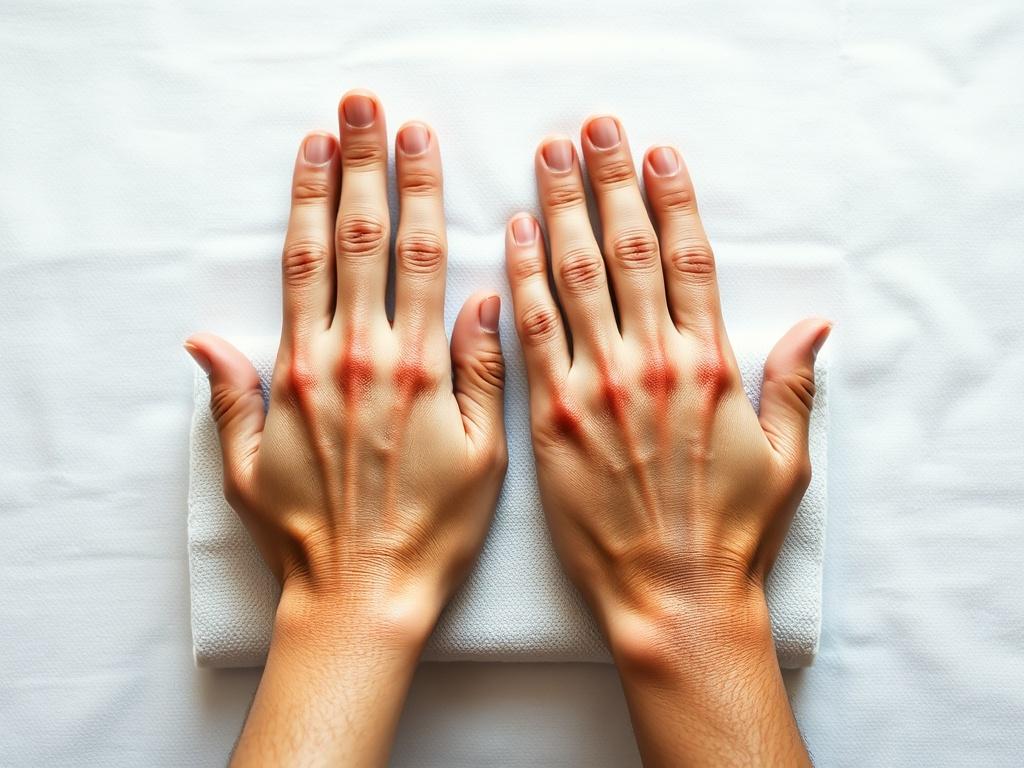
If the goal is therapeutic relief of chronic pain, consult licensed massage therapists who can safely integrate multi-therapist techniques. Professionals trained in four-hands work coordinate through clear protocols to deliver sustained, safe pressure and to avoid conflicting movements that could cause strain.
For couples wanting to explore sensual four-hands play but feeling unsure, a brief session with a couple-friendly therapist or a workshop on partner massage can provide basic skills and confidence. Education reduces anxiety and improves the quality of future private sessions.
Creative variations to try
Once the basics are comfortable, introduce small variations: one giver blindfolded while the other maintains visual pacing, or alternating who leads the rhythm every five minutes. You can also experiment with props like warm stones (careful with temperature), scented oils, or rhythmic drumming on a low volume to guide tempo.
These variations are less about spectacle and more about tuning attention. The novelty pushes you out of autopilot and back into curiosity—exactly the mindset that deepens both sensual and emotional intimacy.
Conclusion
Four-hands massage, whether practiced as a spa ritual or a couple’s experiment, amplifies presence: it multiplies touch, invites coordination, and creates space for both relaxation and sensual discovery—provided consent, clear communication, and thoughtful aftercare guide the experience.