
Brooklyn’s massage scene: personality, variety, and why it matters
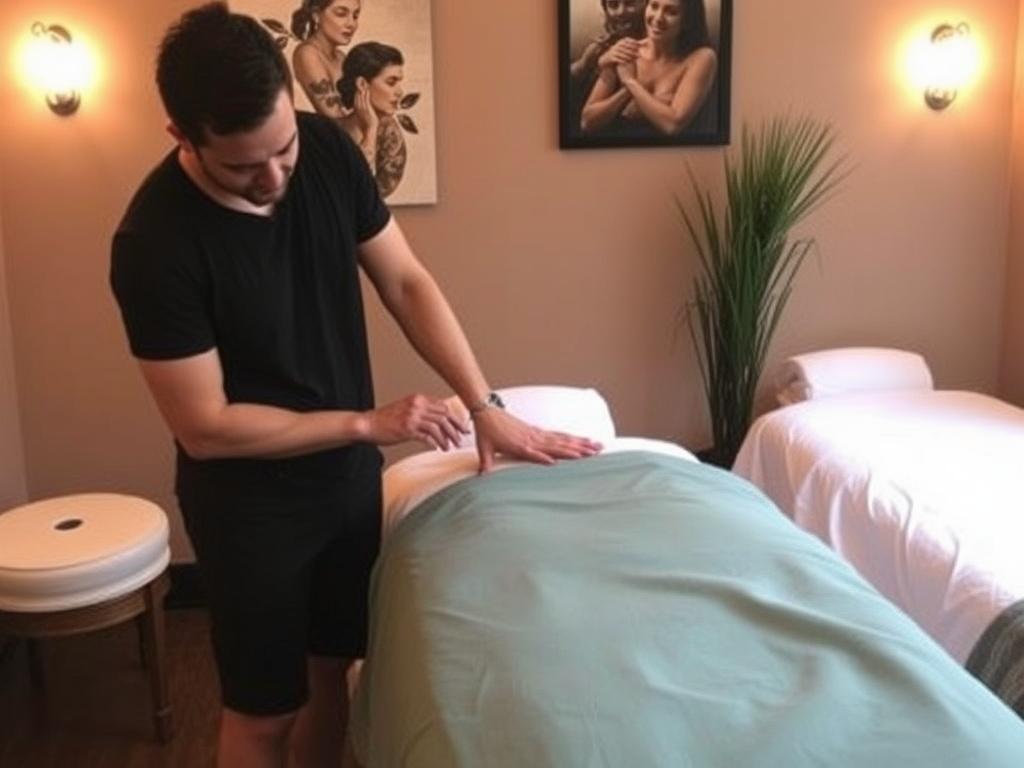
Walk down a Brooklyn block and you’ll pass a range of massage studios: a minimalist storefront offering deep-tissue work, a vintage brownstone with a table topped by essential oils, a wellness co-op with sliding scale pricing. That variety is not accidental. Brooklyn’s communities prize craft and individuality, and that spills into the way massage therapists set up shop, choose modalities, and communicate with clients.
Beyond aesthetics, the borough’s massage culture is shaped by two practical things: demand and diversity. People work long hours, commute, lift heavy equipment, or spend days at a laptop. Therapists respond to those needs with tailored approaches—sports work for weekend athletes, prenatal care for expectant parents, and restorative sessions for anyone burnt out. The result is a scene where you can find both highly therapeutic clinics and cozy studios focused on relaxation.
Types of massage you’ll encounter (and how to know which you need)
Names can be confusing. “Deep tissue” promises intense pressure, while “swedish” suggests lighter, more rhythmic strokes. It helps to think in terms of goals: do you want pain relief, improved mobility, stress reduction, or an indulgent hour of calm? Once the intention is clear, the labels start to mean something.
Below are common modalities you’ll see in Brooklyn studios, described in plain terms so you can pick with confidence.
- Swedish massage: Gentle, relaxing, good for nervous relaxation and circulation.
- Deep tissue: Slower, deeper pressure aimed at chronic tension and adhesions.
- Sports massage: Focused on mobility, pre- or post-event care, and muscle recovery.
- Thai/shiatsu: Bodywork that uses stretching and acupressure—often done on a mat.
- Myofascial release: Targets connective tissue to improve range of motion.
- Prenatal massage: Adjusted positioning and pressure for pregnancy comfort.
- CBD-infused or botanical treatments: Use topical botanicals for added calm; popular where legal and available.
How to decide: a quick three-question approach
When a studio’s website lists half a dozen methods, narrowing them down feels annoying. Ask yourself: Is this primarily for relaxation or for a specific physical issue? Do I prefer firm pressure or gentler touch? Am I comfortable with oils and undressing to the level normally required for the modality? Your answers will cut through the menu faster than reading every description.
If you’re still uncertain, call or message the studio and describe one or two simple symptoms: “neck pain after working at a computer” or “sore calves after running.” A competent therapist will suggest a modality or combine techniques to address the issue within a 60- to 90-minute session.
Choosing a therapist: credentials, communication, and red flags
Licensure and training standards vary by state, so verify that the therapist is licensed in New York State. That said, a license is a baseline; the right fit also depends on experience, specialty, and rapport. Reviews and word-of-mouth matter, but an initial conversation with a therapist—by phone or intake form—can reveal how they listen and whether they tailor their approach.
Watch for these helpful behaviors: specific intake questions about medical history, clear explanations of techniques, and openness to adjusting pressure. Red flags include evasiveness about training, dismissive attitudes toward your comfort levels, or pressure to purchase a package before you’ve even tried a session.
What to expect during a session: from intake to aftercare
A typical session follows a simple arc: intake, treatment, and aftercare. Don’t be surprised if the first five to ten minutes are spent talking. That’s where the therapist learns where you carry tension, any contraindications, and what you’d like to focus on. Clear communication up front prevents discomfort later on.
The table below gives a basic breakdown of what happens in a standard 60-minute session and how much time is often spent on each phase. Times are approximate; therapists may adapt based on your needs.
| Phase | Typical Duration | What Happens |
|---|---|---|
| Intake & setup | 5–10 minutes | Health questions, goals, and positioning on the table or mat |
| Treatment | 40–50 minutes | Hands-on work applying chosen techniques and adjustments |
| Aftercare & feedback | 5–10 minutes | Hydration advice, stretches, and scheduling follow-up if needed |
After the session, therapists often suggest simple stretches, hydration, or a warm bath to prolong benefits. If you experience unusual pain, bruising, or dizziness after a massage, contact the therapist or a healthcare provider—those are exceptions and worth addressing promptly.
Neighborhood guide: where to look and what to expect
Each Brooklyn neighborhood brings its own flavor to massage offerings. In some places you’ll find boutique studios with curated interiors; in others, community clinics focused on accessibility. Below are neighborhood profiles to help you match vibe to need.
Use this as a starting point rather than a strict map. Studios open, close, and shift specialties; sampling a couple of places across neighborhoods can reveal where you feel best.
| Neighborhood | Studio Vibe | Typical 60-min Price |
|---|---|---|
| Williamsburg | Trendy, boutique, often with modern aesthetics | $90–$150 |
| Park Slope | Family-friendly, therapeutic clinics and prenatal specialists | $80–$140 |
| DUMBO / Brooklyn Heights | Upscale studios catering to professionals | $90–$160 |
| Greenpoint | Eclectic mix: holistic practices and independent therapists | $70–$130 |
| Bushwick | Experimental and community-oriented spaces | $60–$120 |
Practical booking tips, etiquette, and budgeting
Booking is straightforward these days—many studios allow online reservations—but a few etiquette pointers make everyone more comfortable. Arrive five to ten minutes early so paperwork doesn’t cut into your session. Silence your phone. If you need to cancel, give as much notice as possible; many studios charge a fee for last-minute cancellations.
Budgeting for regular care depends on your goals. If you’re addressing chronic pain, plan for a short series—perhaps weekly for a month—then taper. For maintenance, monthly sessions are common. Many studios offer packages or sliding scales; ask about a package only after you’ve tried a therapist once.
- Tip-levels: Check the studio’s policy—some include service fees, others expect cash or app tips.
- Gratuity norms: 15–20% is standard in many places but not mandatory; express appreciation in the way that feels right to you.
- Packages: Save money per session but verify refund or transfer policies if your schedule changes.
Extend the effects: simple habits that help between sessions
A single session can shift tension, but habits determine whether gains stick. Movement, sleep quality, and hydration all play a role. Small, consistent practices keep the body from reverting quickly to old patterns.
Try these manageable ideas at home—the payoff is often larger than it seems.
- Take brief, targeted walks to loosen tight hips and lower back after long sitting periods.
- Use a lacrosse ball against a wall for short, precise release on shoulders or glutes.
- Practice two simple stretches recommended by your therapist for five minutes each day.
- Prioritize sleep and drink water: soft tissues recover best when rested and hydrated.
When to be cautious: health considerations and professional boundaries
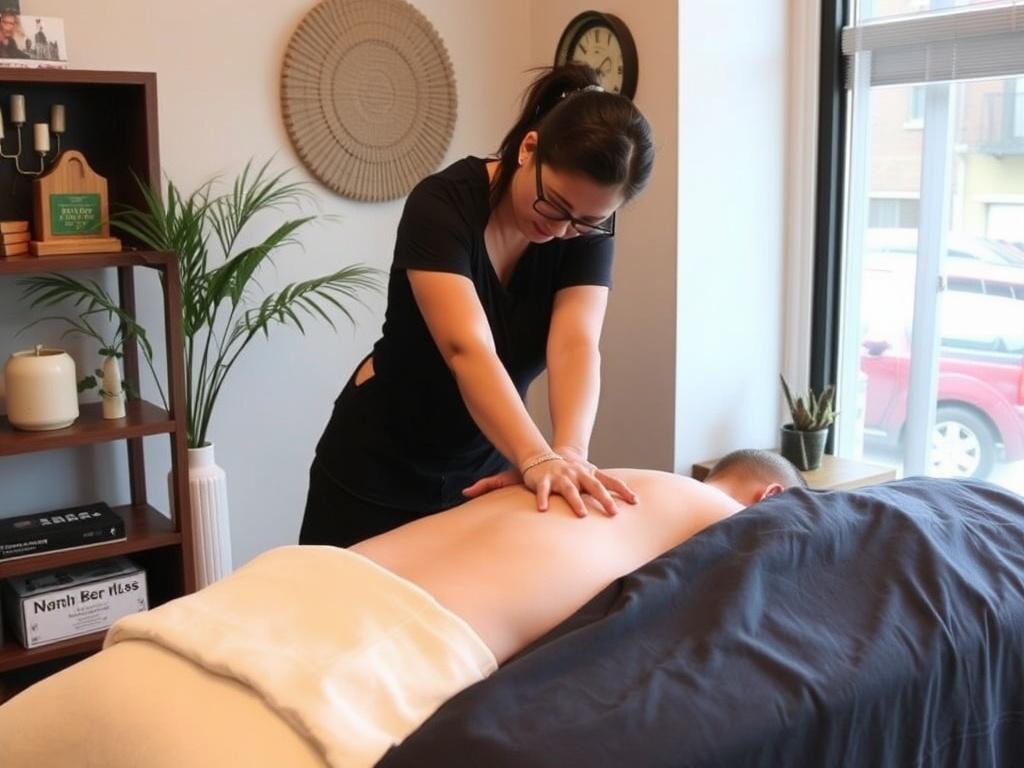
Massage is broadly safe, but it’s not a universal remedy. If you have an acute injury, recent surgery, uncontrolled hypertension, or certain cardiac conditions, consult your physician before booking deep-tissue work. Therapists should always ask about relevant medical history; if they don’t, that’s a sign to pause and clarify.
Professional boundaries are equally important. A therapist’s license and clear, written policies help protect you. If you ever feel uncomfortable with the pressure, the level of undressing requested, or a therapist’s behavior, stop the session and speak up. If the response feels dismissive, report the incident to the studio and consider notifying licensing authorities.
Conclusion
Finding the right massage in Brooklyn combines a little research, a short conversation with a therapist, and a willingness to try different studios until you land on the one that matches your body and your rhythm; once you do, it becomes an efficient, restorative part of keeping your life in motion.