
Decoding the term: what people mean by «exotic»
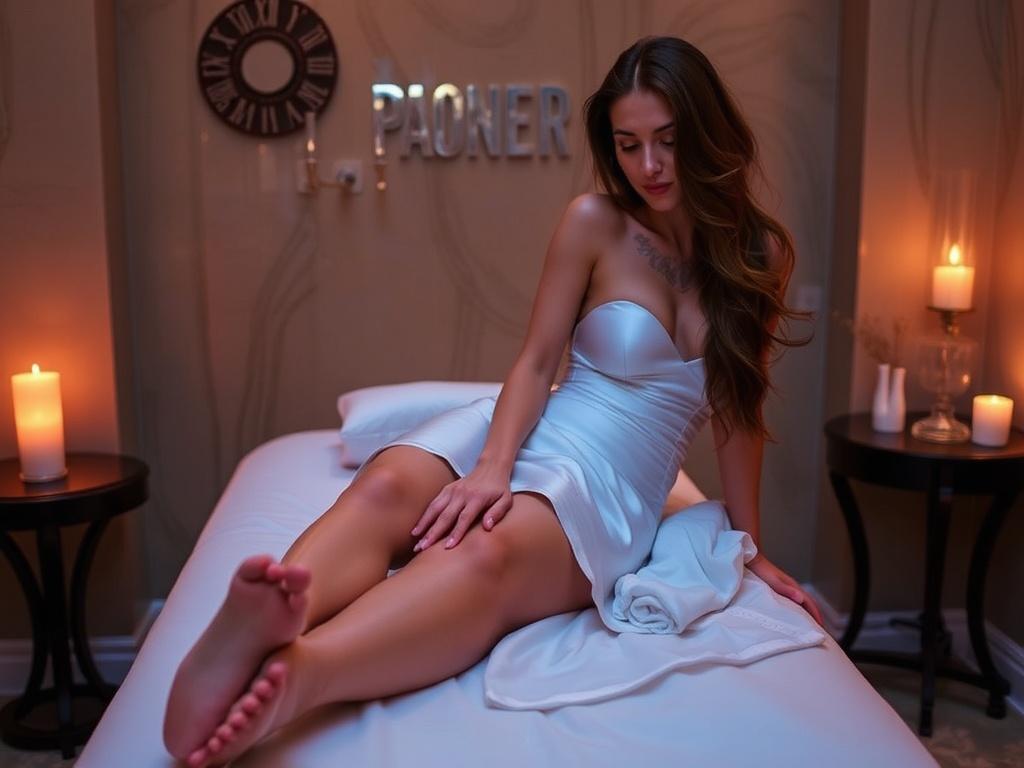
When someone in New York mentions an «exotic massage,» they usually mean something outside the ordinary Swedish-or-deep-tissue routine. The word can signal unfamiliar techniques, unusual aromatic blends, uncommon rhythms, or a focus on sensuality and atmosphere. In a city as diverse as New York, «exotic» often maps to the global: Thai stretches, Balinese oil work, Hawaiian flows, or treatments inspired by North African and Middle Eastern bathhouse traditions.
That variety can be part of the appeal — a chance to travel through touch without leaving the boroughs. But «exotic» also carries ambiguity. It can describe a legitimate cultural practice presented respectfully, or it can be used as marketing shorthand for something more gimmicky. Knowing the difference helps you choose an experience that feels authentic, safe, and worth your time.
Popular styles and where they come from
Many spas label services «exotic» when they combine elements from different traditions: rhythmic oil work from the Pacific, joint mobilization from Southeast Asia, and scent profiles drawn from faraway kitchens. Understanding the origins of these techniques sheds light on what to expect during a session and why a therapist uses certain movements.
Below is a compact guide to several widely offered styles that often appear under «exotic» menus in New York spas. The table highlights origin, technique, and the typical sensation so you can match a style to your goals.
| Style | Origin | Typical Techniques | Sensation/Goal |
|---|---|---|---|
| Thai-style | Thailand | Passive assisted stretches, rhythmic compressions, floorwork | Energetic release, increased flexibility |
| Balinese | Bali (Indonesia) | Long flowing strokes, aromatherapy oils, acupressure | Relaxation with gentle invigoration |
| Lomi Lomi | Hawaiian | Continuous forearm flows, whole-body approach | Deep nurturing and fluidity of movement |
| Shiatsu | Japan | Finger pressure on meridians, stretching | Balance of energy, relief from tension |
| Middle Eastern/Hammam-inspired | North Africa/Middle East | Steam, exfoliation, oil massage, ritualized bathing | Detoxifying, cleansing, restorative |
Choosing a reputable spa in New York
Finding a good place in New York comes down to research and a few practical checks. Licenses, clean spaces, transparent pricing, and clear treatment descriptions are the basics. Legitimate establishments will show therapist credentials and welcome reasonable questions about techniques, product ingredients, and expected outcomes.
Reading reviews is useful, but parse them critically. Look for patterns: repeated praise for a therapist’s technique is more meaningful than a single glowing review. Likewise, multiple reports of unclear pricing or uncomfortable interactions are red flags. Calling ahead gives you the chance to judge responsiveness and professionalism before you commit.
- Ask about licenses and certifications for therapists.
- Request details about the exact techniques and products used.
- Clarify session length and whether the price includes gratuity or taxes.
- Confirm the spa’s cancellation policy and COVID-19 safety measures, if relevant to you.
Etiquette, safety, and legal notes

New York City has clear rules about health and safety in personal care services. Therapists should respect boundaries, and you should expect a written consent form or an intake conversation about medical history and areas to avoid. If anything about the treatment or therapist makes you uncomfortable, you have the right to stop the session.
There’s also a legal and ethical dimension: erotic or sexual services exist in some corners of the market, but many reputable spas emphasize wellness and cultural authenticity rather than sexualization. If a listing or a worker suggests anything that feels inappropriate or illegal, step away and report the business if necessary. Your safety and dignity are the top priority.
Price ranges, booking, and practical tips
Prices in New York vary widely by neighborhood, spa prestige, and therapist experience. A boutique or hotel spa in Manhattan will command higher rates than a neighborhood studio in outer boroughs. Expect a wide bracket rather than a fixed number: short sessions start cheaper, while multi-hour immersive rituals cost more.
Here are practical tips to get the most value from your booking and to avoid surprises:
- Book directly through the spa when possible to avoid third-party markups.
- Arrive early so you can complete intake forms and enjoy pre-treatment facilities without rushing.
- Tell the therapist your pressure preference and any injuries right away.
- Drink water afterward and allow time to reorient before returning to the street bustle.
Neighborhoods, vibes, and where to go
New York neighborhoods offer distinctly different spa ecosystems. Midtown and the hotel corridor cater to travelers and often specialize in high-end, polished treatments. SoHo and Tribeca tilt toward boutique experiences and inventive fusions. Brooklyn neighborhoods like Williamsburg and Park Slope host independent studios with a creative, community-oriented feel.
Don’t limit yourself to one area: a short subway ride opens many possibilities. If you’re after atmosphere as much as technique, seek out places that match your mood. Want ritual and quiet? Look for hammam-style venues with communal steam and a slower pace. Craving novelty and drama? A boutique that sources rare oils and pairs massage with sound therapy may be the fit.
What to say (and not say) when you arrive
How you communicate sets the tone for the session. Be specific about what you want: “gentle neck relief,” “deep lower-back work,” or “relaxing full-body oil massage.” If you’re allergic to scents or prefer unscented oils, say so. Good therapists will ask about your health history and listen carefully to your preferences.
Avoid vague instructions like “make it exotic” without describing what that means for you. If you’re unsure, ask the spa to explain the sequence and intention of the treatment. Clear communication helps the therapist tailor the session and prevents misunderstandings that can spoil the experience.
Self-care after an exotic massage
Aftercare matters. Exotic treatments, especially those that include invigorating stretches or deep work, can leave you pleasantly relaxed or slightly tender. Give your body time to integrate the work: hydrate, opt for lighter activity for the rest of the day, and notice how your sleep and mood shift over the next 24–48 hours.
If you experienced any unusual soreness or lingering discomfort, a warm bath, gentle stretching, or a brief follow-up with your therapist can help. Keep a note of what you liked and what you didn’t — that helps next time you choose a therapist or tweak a booking for an even better session.
Red flags and questions to ask
It’s worth knowing what to watch for so your experience stays professional and restorative. Red flags include unclear pricing, evasive answers about a therapist’s training, pressure to add services at the last minute, and any suggestion that sexual services are part of the treatment. If any of these arise, cancel and seek alternatives.
- Do you have licenses and insurance for your therapists?
- Can you describe this massage’s techniques and benefits?
- What is included in the session time and price?
- Are there private rooms and secure changing/storage areas?
Conclusion
An «exotic massage» in New York can be a window into global bodywork traditions, a deeply relaxing ritual, or simply a cleverly marketed treatment—what matters is choosing a reputable place, clarifying your expectations, and communicating clearly so the experience aligns with your needs and comfort. Book thoughtfully, arrive curious, and let a skilled therapist guide you through something new without losing sight of safety and respect.