
Heat and touch: a short introduction to Japan’s warm approach
Walk into many Japanese spas or traditional clinics and you’ll notice heat woven into the experience: warm towels, steam rooms, heated stones, even treatments that focus on warming specific points on the body. Heat isn’t a decorative flourish in these settings — it’s an essential tool that helps therapists access tissues, ease tension, and prepare the body for touch.
That warmth appears in several distinct traditions. Some use natural hot springs and heated floors, others apply direct heat to meridian points, and many combine heat with pressure-based techniques like shiatsu. That variety means “hot” in one place might mean a heated stone bed, while in another it’s a moist compress or a gentle, palm-warmed pressure.
Traditional heat-based therapies: onsen, ganbanyoku, and okyu
Onsen — Japan’s hot spring baths — are probably the most famous form of thermal therapy. Centuries of cultural practice built around mineral-rich waters teach the body to relax through sustained, gentle heat. Bathing in an onsen increases circulation, eases muscle soreness, and provides an immersive sensory calm that supports deeper relaxation than a single heated compress can.
Ganbanyoku, often translated as “stone sauna” or “bed of warm stones,” is a modern spa treatment where people lie on heated stone slabs that emit dry, gentle heat. Unlike intense saunas, ganbanyoku warms the body surface gradually and is commonly used for low-impact detoxification, stress relief, and loosening tight muscles before manual therapy.
Okyu — the Japanese style of moxibustion — brings heat to specific points by burning mugwort close to the skin or using warmed instruments. Practitioners use okyu to stimulate circulation and encourage healing at targeted sites. It’s a precise, sometimes intimate treatment, and because it involves real heat and smoke, it requires trained hands and cautious application.
Massage styles that mix pressure and warmth
Shiatsu, which relies on finger and palm pressure along meridians, often incorporates warm hands and heated compresses to soften muscles before pressing. Modern shiatsu was systematized in the 20th century and can be tailored with gentle warming to enhance results without changing the core technique.
Anma is an older Japanese massage tradition emphasizing kneading and rhythmic strokes. Therapists sometimes use heated towels or warm oils to help tissues yield to deeper manipulation. Ashiatsu — the barefoot technique where the therapist uses their feet to deliver broad, deep pressure — frequently relies on ambient warmth and sometimes heated tables to make deep tissue work more comfortable for the recipient.
Hot stone treatments are also well integrated into some Japanese spas: smooth, heated stones are placed along the body or wielded as tools to glide over muscles. Pressure plus heat creates a combined effect: the warmth increases pliability while pressure addresses deeper tension.
Why warmth helps: the simple physiology behind comfort
Heat affects the body in direct, measurable ways. When tissue warms, small blood vessels dilate, bringing more oxygen and nutrients and removing metabolic waste. That improved circulation reduces stiffness and speeds recovery at sore or overworked sites.
On a neurological level, warmth can dampen pain signals. It soothes muscle spindles and reduces the sensitivity of pain receptors, which makes it easier for a therapist to work without triggering guarding reflexes. Additionally, gentle heat tends to promote parasympathetic activity — the “rest and digest” side of the nervous system — which deepens relaxation and supports better sleep after a session.
What to expect at a Japanese “hot” massage session and cultural notes
Sessions vary widely. A shiatsu appointment might be performed on a futon, clothed, and include warm compresses at key moments; a ganbanyoku experience has you lie on heated stone with light clothing; an onsen is communal and usually involves full nudity unless you visit private baths. Ask when you book so you can prepare.
Japanese spa etiquette is practical and respectful. Remove shoes, keep quiet in relaxation areas, and follow towel rules in baths. If heat makes you uncomfortable or you have medical conditions, tell your therapist before the session begins. Veterans of Japanese bodywork often appreciate the balance of ritual and directness — treatments feel intentional rather than showy.
Quick practical tips before and after your treatment
- Hydrate: heat and massage both shift fluids; drink water before and after to support circulation and recovery.
- Avoid heavy meals: a light snack is fine, but a full stomach plus heat can cause discomfort or lightheadedness.
- Communicate openly: let the therapist know if heat feels too intense or if you have burns, rashes, or varicose veins.
- Cool down slowly: after a hot session, give your body time to return to baseline. A short walk or quiet rest is better than jumping back into strenuous activity.
Safety, contraindications, and common concerns
0
Heat is broadly beneficial, but it’s not universally safe. People with uncontrolled high blood pressure, certain heart conditions, diabetes with neuropathy, or active infections should consult a physician before undergoing strong heat therapies like ganbanyoku or hot stone treatments.
Pregnancy requires extra care: mild warmth is usually fine, but deep heating or direct abdominal moxibustion should be avoided unless a practitioner with pregnancy-specific training advises otherwise. Always disclose medications and medical history when you book.
With moxibustion and hot stones, the risk of burns exists. Choose trained practitioners, watch for clean, calibrated equipment, and never accept treatments where heat is applied without clear controls. A good therapist checks skin tolerance frequently and adapts the temperature if anyone shows signs of overheating.
Comparing common methods: a quick reference table
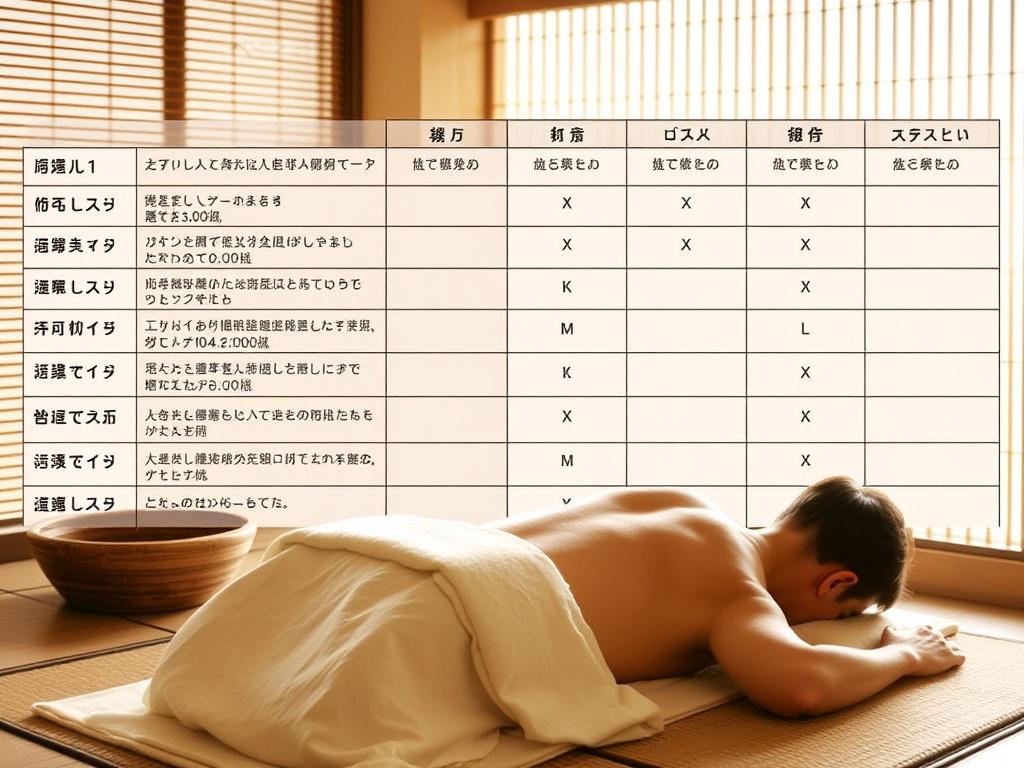
| Technique | Heat Source | Typical Session | Sensation | Good for |
|---|---|---|---|---|
| Shiatsu | Warmed palms, occasional hot compress | Clothed on mat; pressure to meridians | Firm pressure with soothing warmth | Muscle tension, stress regulation |
| Anma | Warm towels, heated oil optional | Table or mat; kneading and stroking | Rhythmic manipulation, gentle warmth | Circulation improvement, localized stiffness |
| Ganbanyoku | Heated stone slabs | Lying on stone bed for 20–40 minutes | Dry, penetrating warmth | Detox, relaxation, mild weight loss support |
| Onsen | Geothermal mineral water | Soak in hot spring pools | Sustained, enveloping heat | Full-body relaxation, bathing therapy |
| Okyu (moxibustion) | Burning mugwort (indirect or direct) | Targeted heat application to points | Localized, warming prickling | Circulation at specific points, chronic conditions |
| Ashiatsu | Indirect heat from therapist’s feet and table | Therapist uses feet for deep, broad pressure | Firm, warming compression | Deep muscle release |
How to choose the right “hot” treatment and find a reputable practitioner
If you’re new to Japanese heat-based therapies, start gently. A warm shiatsu or a short ganbanyoku session can show you how your body responds without committing to intense heat. If you’re interested in onsen culture, pick a bathhouse with clear hygiene practices and private options if nudity is a concern.
Look for practitioner credentials and reviews. Many reputable clinics list training in shiatsu, ashiatsu, or moxibustion; associations and schools often provide directories. Ask about temperature controls, sanitation, and whether the therapist adjusts intensity to your feedback. A caring professional will welcome questions and explain why they’re using heat in a particular way.
Simple warming practices to try at home
You don’t need a spa to harness the benefits of warmth. A warm shower, a heated towel roll applied briefly over tight shoulders, or a 10–15 minute soak can replicate many of the preparatory benefits therapists aim for before deeper work. Apply heat for no more than 20 minutes at a time, and always check skin sensation.
Before stretching or self-massage, warm the area to improve tissue extensibility. Use gentle strokes and avoid high temperatures if you have sensory issues. Small, consistent steps at home create better results than occasional extremes.
Conclusion
Japanese approaches that pair heat with touch offer a practical, time-tested route to relaxation and relief: from communal onsen baths to the focused warmth of moxibustion, each method taps the same simple principle — warmth loosens, soothes, and primes the body for healing. Choose what fits your needs, check credentials, and start gently; with the right practitioner and a bit of common sense, the warm side of Japanese bodywork can be both comforting and surprisingly effective.