
What people mean by the term — and why it matters
“Happy ending” is a euphemism that has entered everyday speech, but it isn’t a neutral phrase. In practice it usually refers to a sexual act provided at the conclusion of a massage. That makes it more than a stylistic or cultural term: it moves the encounter out of the realm of licensed therapeutic care and into a zone that raises legal, health, and ethical questions.
People search for the term for many reasons—curiosity, loneliness, relationship dynamics, or simply wanting a different kind of intimacy. Whatever the motive, it’s important to separate rumor from reality: what you find online or by word of mouth can be misleading, and acting on incomplete information can carry real consequences.
The legal picture in New Jersey

Across the United States, exchanging money for sexual acts is generally treated as prostitution or solicitation; New Jersey is no exception. State laws criminalize paid sexual activity, and that can ensnare both the person offering the act and the person paying for it. Beyond criminal penalties, businesses that advertise sexual services can face civil actions, license revocation, and closure.
At the same time, legitimate massage therapy is regulated. New Jersey licenses massage therapists and has standards for education, hygiene, and professional conduct. A properly run massage practice operates under those rules, provides clear intake and consent processes, and adheres to professional boundaries.
Knowing the difference between regulated health services and illegal sexualized services isn’t just legal trivia; it’s about protecting your safety, privacy, and pocketbook.
Health, safety, and ethical concerns to consider
Entering an environment outside the regulated healthcare system raises several risks. Unregulated sexual encounters can increase exposure to sexually transmitted infections, and clinics operating outside the law may not follow basic hygiene or safety standards. There’s also the matter of consent and coercion. Some illicit operations exploit workers or are tied to human trafficking; customers seeking sexual services can unintentionally participate in exploitative systems.
From an ethical standpoint, working with licensed, consenting professionals in transparent settings protects everyone involved. If you encounter signs that a business may be exploiting workers or that individuals are not there of their own free will, reporting to local authorities or trafficking hotlines is the responsible step.
Practical safety reminders
- Prioritize licensed providers working in established, transparent businesses.
- Look for clear policies about consent, draping, and treatment scope before the session begins.
- Avoid cash-only operations and venues that pressure you into “extras” or secret arrangements.
- If you suspect human trafficking or forced labor, contact the National Human Trafficking Hotline (1‑888‑373‑7888) or local law enforcement.
How to find legitimate therapeutic massage in New Jersey
If your goal is relaxation, pain relief, or improved mobility, the safest route is a licensed massage therapist or clinic. Licensed practitioners typically list their credentials, provide intake forms that ask about medical history and contraindications, and discuss draping and boundaries before touching. They’ll offer mainstream modalities—Swedish, deep tissue, sports massage, myofascial release—rather than vague promises written in coy language.
Here are steps to vet a massage provider without getting bogged down in legalese:
- Check that the therapist’s name and license number are visible on the clinic website or displayed on the premises.
- Look for reviews that mention professionalism and therapeutic outcomes rather than sexualized praise or innuendo.
- Confirm that the clinic offers receipts and formal booking; legitimate clinics usually accept card payments and provide documentation.
- Ask about draping and what to expect during a session—if the answer is evasive, walk away.
How illicit operations typically differ from licensed clinics
Below is a simple table to help you spot the practical distinctions between a licensed massage practice and an illicit operation that may be offering sexual services. This isn’t a how-to find illegal services; it’s a safety-oriented checklist to protect yourself and choose aboveboard care.
| Feature | Licensed Massage Clinic | Illicit/Unregulated Operation |
|---|---|---|
| Legality | Operates under state licensure and regulations | May be violating prostitution and business laws |
| Credentials | Therapist credentials and license are posted and verifiable | Credentials absent or unverifiable |
| Booking & Payment | Formal booking, receipts, card payments | Cash-only, vague pricing, “extras” advertised informally |
| Hygiene & Safety | Standardized hygiene, clear consent procedures | Hygiene standards inconsistent or hidden; pressure for sexual favors |
| Communication | Clear about services and boundaries | Uses euphemistic language or sexual innuendo in ads |
Questions to ask before booking — for safety and clarity
A few straightforward questions reveal a lot and won’t make you look naive. Legitimate professionals expect and welcome informed clients. Ask:
- “Are you licensed by the state? Can I see your license number?”
- “What modalities do you practice, and what training do you have?”
- “What is your draping policy and what should I wear?”
- “Do you accept card payments and provide a receipt?”
- “What are your expectations for client and therapist conduct?”
If a provider hems and haws or offers off-the-record alternatives, that’s a strong signal to move on.
Alternatives if you’re seeking intimacy or relief
People who search for sexual services via massage often have underlying needs—stress relief, companionship, sexual expression, or emotional connection. There are ethical, legal alternatives that can meet some of those needs:
- Licensed sex therapists or counselors who work with intimacy and sexual health.
- Couples therapy to explore sexual concerns within relationships.
- Consensual adult spaces that operate within the law (for example, some adult entertainment venues—but be aware they do not provide sexual services).
- Mindfulness-based therapies, group workshops, or social clubs that build connection without transactional dynamics.
If sexual health is the concern, an STI-screening clinic or sexual health clinician can answer questions confidentially and without judgment.
What to do if you encounter an illegal situation
If you find yourself in a place that seems to cross legal or ethical lines—pressure for sexual acts, signs of coercion, or unsafe conditions—prioritize your safety first. Leave the situation if you can, keep any records of communication, and report the business to local authorities or the state licensing board. If you believe someone is being trafficked or forced to work, contact the National Human Trafficking Hotline at 1‑888‑373‑7888 or dial local emergency services.
Reporting protects potential victims and reduces the chance others will be harmed. It’s a civic action that helps both workers and clients navigate a safer environment.
Final thoughts: curiosity is normal—do the homework
Curiosity about intimacy is a human impulse, and the phrase you searched for reflects a broader set of desires. That’s understandable. The responsible way forward mixes curiosity with caution: know the law, prioritize licensed care for health needs, and avoid situations that might involve exploitation or criminal activity. When in doubt, choose transparent providers who follow state regulations and respect professional boundaries. You’ll get better care and avoid legal and ethical complications.
Conclusion
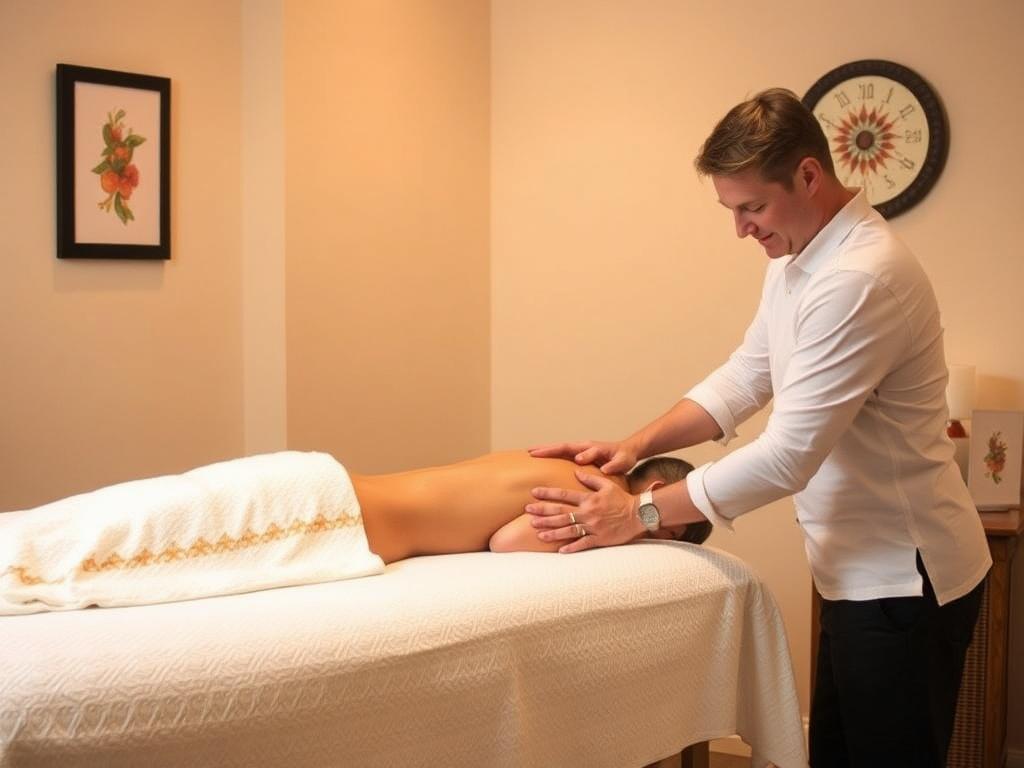
If you’re in New Jersey and wondering about “happy ending” massages, treat the topic as both a legal and safety matter: seek licensed therapists for legitimate therapeutic needs, ask clear questions before booking, and avoid venues that use euphemistic advertising or cash-only transactions—doing so protects your health, your freedom, and the dignity of the people involved.