
Manhattan is a place where time moves fast and bodies feel every minute of it. With so many options — from hole-in-the-wall therapy rooms to glossy destination spas — finding the massage that actually helps can feel like looking for a needle in a haystack. This article cuts through the noise: what to look for, where to try, and how to walk out feeling like you reclaimed an hour of your life.
I’ll guide you through the types of treatments that work in different situations, the neighborhoods that tend to produce consistently excellent therapists, and practical tips to ensure your session does what you expect. Expect clear comparisons, real-world advice, and a few trusted names to get you started.
Why Manhattan’s massage scene deserves a closer look
People come to Manhattan for architecture, theater, and food, but the city’s massage culture sits at the intersection of need and craftsmanship. Therapists here service everyone from office workers with desk-related stiffness to athletes who push their limits. That diversity breeds expertise: you’ll find specialists who focus on chronic pain, sports recovery, relaxation, and Eastern healing traditions.
Another reason to take the search seriously: the wrong massage can be a waste of money or, worse, set back your recovery. A therapist who doesn’t communicate, or a spa that doesn’t prioritize sanitation and comfort, can turn an hour meant to soothe into an uncomfortable experience. Learning how to evaluate options protects your time, wallet, and body.
Common massage styles and when to choose them
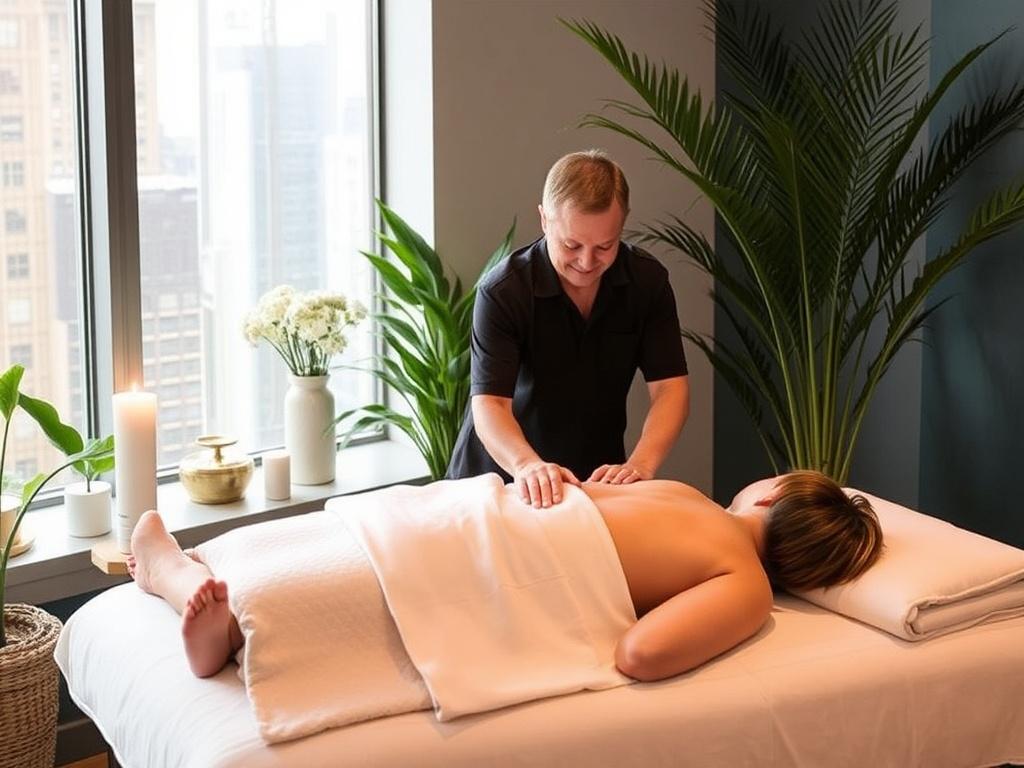
Different techniques exist because different problems need different approaches. Knowing the basic styles helps you book with intention instead of hoping for the best.
Swedish and relaxation-focused massages
Swedish massage emphasizes long, flowing strokes and a gentle pressure that calms the nervous system. It’s ideal for first-timers, jet-lagged travelers, or anyone wanting to relax rather than address deep muscular tension. In Manhattan, many boutique spas offer Swedish as a baseline treatment with aromatic oils and ambient soundscapes.
If your schedule is packed and stress has turned your shoulders into a low hill, this is a reliable reset. Ask the therapist about pressure during the initial intake so you don’t end up underwhelmed or overwhelmed.
Deep tissue, sports, and therapeutic massages
For chronic knots, postural imbalances, or sports-related stiffness, deep tissue and sports massages apply targeted pressure to release adhesions and improve range of motion. They can feel intense in the moment, and good therapists will pair slow, focused strokes with communication about tolerable pressure.
If you have a specific injury or are training for an event, seek a therapist with sports or clinical experience. Manhattan has many therapists who work with dancers, runners, and professional athletes — they’ll understand how to balance recovery with performance.
Eastern traditions: Thai, shiatsu, and acupuncture-adjacent work
Thai massage blends assisted stretching and acupressure while shiatsu uses finger pressure along energy lines. These modalities can feel quite different from a table massage: they involve movement, rhythm, and sometimes clothes-on work. They’re great if you want mobility improvements or prefer less oil and more engagement.
Look for practitioners trained in specific traditions, and expect sessions to emphasize breath, positional adjustments, and sometimes dialogue about lifestyle and posture.
How to choose the best therapist or spa in Manhattan
Choosing well involves research, questions, and a little humility. Even a great therapist isn’t the right fit for everyone — styles, pressure, and bedside manner vary.
- Read recent reviews for consistency rather than a single glowing or scathing opinion.
- Check credentials: licensing, ongoing education, and specific certifications (e.g., sports massage, myofascial release).
- Pay attention to intake procedures—therapists who ask about medical history, pain levels, and goals are more likely to deliver effective sessions.
- Don’t ignore cleanliness and comfort. A well-run space signals professionalism.
Trust your instincts during a phone call or booking. If staff are dismissive or unclear about pricing and cancellation policies, you’ll likely have a less pleasant experience. Communication is part of the treatment.
Neighborhoods and standout spots to consider
Manhattan neighborhoods have distinct flavors when it comes to massage offerings. Below is a compact table comparing typical characteristics and a few representative options to explore.
| Neighborhood | Typical Vibe | What to Expect | Why Go |
|---|---|---|---|
| Midtown | Convenient, tourist-friendly | Shorter sessions, fragrance-forward spas | Quick relief between meetings or flights |
| Upper East/West | Residential, boutique studios | Experienced therapists, personalized care | Consistency and quieter environments |
| Chelsea/Greenwich | Creative, modern wellness | Integrated treatments (cupping, stretch), innovative studios | Good for combining techniques and experimentation |
| SoHo/Tribeca | High-end spas, designer interiors | Luxury experiences, longer treatment menus | Special occasion or in-depth spa days |
| Lower East Side/East Village | Casual, affordable options | Independent therapists, flexible scheduling | Great for regular maintenance without the premium price |
Within each area you’ll find both hidden gems and chains. Chains can be convenient if you travel frequently; independent studios often offer deeper specialization. Try one of each and compare the experience.
What to expect during your first visit
Going to a new massage studio can be oddly ritualistic. Most places follow a predictable flow: intake, consultation, treatment, and aftercare. The intake should take a few minutes and cover medical history, current medications, and your primary complaints. Don’t skip this — it’s the chance to set boundaries and goals.
During the massage, therapists should check in about pressure and comfort early on and again if they’re working in sensitive areas. It’s okay to speak up. Therapists appreciate feedback; it helps them tailor the session and prevents discomfort from going unaddressed.
After the session, expect brief aftercare advice: hydration, recommended stretches, and suggestions for follow-up treatments. If follow-ups feel necessary and the therapist explains why, that’s a sign they’re thinking clinically rather than just selling time.
Practical tips for getting the most out of your session
Little choices before and after the massage change its effectiveness. Hydration, sleep, and realistic expectations all matter.
- Arrive 10–15 minutes early to fill out forms and settle in.
- Eat light beforehand — a heavy meal can make you sluggish, an empty stomach leaves you distracted.
- Communicate: say if pressure needs adjustment; if you need quiet, mention it in advance.
- Follow post-session advice: drink water, avoid heavy workouts for 24 hours if you had deep work.
If you’re seeking treatment for pain rather than relaxation, expect to book a series of sessions. Chronic issues rarely resolve in a single visit; consistency and complementary practices (stretching, posture work, strengthening) produce lasting results.
Price ranges, scheduling, and etiquette
Prices vary widely across Manhattan. You can find 60-minute massages in budget-friendly studios that run lower rates, while luxury spas charge more for extended menu options and upscale surroundings. Think of price as one data point — not the only measure of quality.
Scheduling tip: prime times fill up fast — early evenings and weekends. If you prefer a quieter experience, book mid-morning on a weekday. Many excellent therapists offer packages or memberships for regular clients, which can reduce per-session costs and ensure continuity of care.
Etiquette matters: show up on time, cancel within the posted policy, and tip appropriately if you’re satisfied. Tipping norms in Manhattan often range from 15–25% depending on the establishment and level of service.
When to seek a therapist with medical collaboration
Certain conditions require more than a standard spa massage. If you have recent surgery, a diagnosed neurological condition, severe osteoporosis, deep vein thrombosis, or uncontrolled hypertension, consult your physician before booking. Many Manhattan therapists collaborate with chiropractors, physical therapists, and physicians; look for those who welcome interdisciplinary care.
Working with a therapist who communicates with your healthcare providers can speed recovery and prevent contraindicated treatments. Don’t be shy about asking whether they have experience with your condition — a professional will answer directly and suggest alternatives if needed.
Final selection checklist

Before you book, run through this quick checklist to make sure your choice aligns with your needs.
- Does the therapist have relevant training for your issue?
- Are intake and safety protocols clearly explained?
- Do reviews mention consistency and communication?
- Is the location and price practical for ongoing care?
- Do you feel comfortable with the vibe when you call or visit?
Conclusion
Finding the best massage in Manhattan takes a mix of research, honest communication, and a willingness to try different styles and studios until you find the right fit; when you do, a single session can feel like reclaiming a small, well-earned portion of calm in a relentless city.