
What makes Thai massage different—and why it thrives in NYC
Walk into nearly any neighborhood in New York City and you’ll find a handful of massage studios, each promising something slightly different. What sets traditional Thai massage apart is its blend of stretching, pressure, and rhythm that feels more like guided movement than a standard rubdown. It borrows from yoga, acupressure, and Ayurvedic principles, creating sessions that are both energizing and restorative.
In a city that moves as fast as New York, the appeal is obvious: Thai massage gives people a portable toolkit for loosened hips, a more open chest, and steadier breathing. Practitioners apply long, flowing strokes and targeted pressure along energy lines (Sen), while using hands, elbows, knees, and even feet. For many New Yorkers, that combination fits busy lives—it’s efficient, often deeper than Swedish techniques, and can translate to better posture, fewer aches, and clearer focus.
How Thai massage adapts to urban needs
New Yorkers tend to look for treatments that fit into tight schedules and address specific pain points—neck stiffness from desk work, hip tightness from commuting, or the lingering fatigue of a long week. Thai massage studios in the city frequently tailor sessions around these demands, blending therapeutic focus with a rhythmic flow that leaves clients alert yet relaxed.
Beyond physical relief, there’s a psychological benefit. The session’s deliberate pace and hands-on attention slow the mind down. In a place where time feels fragmented, a Thai massage can create a clear, uninterrupted hour—an intangible but powerful draw.
Types of Thai massage you’ll find in the city
“Thai massage” isn’t a single set routine. New York City studios offer a range, from strictly traditional formats to fusion styles that incorporate modern bodywork. Knowing the differences helps you pick a session that meets your goals.
Traditional Thai massage (Nuad Bo-Rarn) is performed on a mat with the recipient fully clothed. It emphasizes rhythmic compressions and guided stretches. Westernized Thai styles might combine table work, oils, or elements of deep tissue and sports massage. Then there are specialty mixes—Thai-Yoga, Thai-Reflexology, and even prenatal Thai massage—each adapted for a particular need.
Quick guide to common styles
- Traditional Thai (mat-based): deep stretches, passive yoga-like positions, no oil.
- Thai on table: uses oils and more Western techniques for muscle work.
- Thai-Yoga: emphasizes longer, sustained stretches and breath awareness.
- Prenatal and restorative variants: gentler pressure and focused comfort work.
What to expect during your first session
If you’re trying Thai massage for the first time, a little expectation-setting helps. Sessions typically start with a short conversation about your health, current aches, and any injuries. Because Thai massage includes stretches and weight-bearing moves, practitioners need to know about conditions like high blood pressure or recent surgeries.
Clothing matters. For many traditional sessions you’ll wear loose, comfortable clothes—think yoga pants and a t-shirt—because the work is done through clothing on a mat. A table session may involve changing into a robe or removing jewelry. Don’t be surprised if the practitioner uses their feet, knees, or forearms to access deep tension; that’s part of the method.
When to choose a table vs. mat session
Choose a mat if you want the full range of Thai stretches and mobility work. It’s excellent for joint mobility and whole-body integration. Pick a table session if you prefer oils, less on-the-floor movement, or if you find getting up and down from a mat uncomfortable.
Timing also matters. A 60-minute session often focuses on major areas—back, hips, shoulders—while 90 or 120 minutes allow a more thorough, unhurried experience. If you’re saving time between meetings, tell the studio; they can often tailor a shorter treatment to hit your priorities.
Where to find the best Thai massage studios in NYC
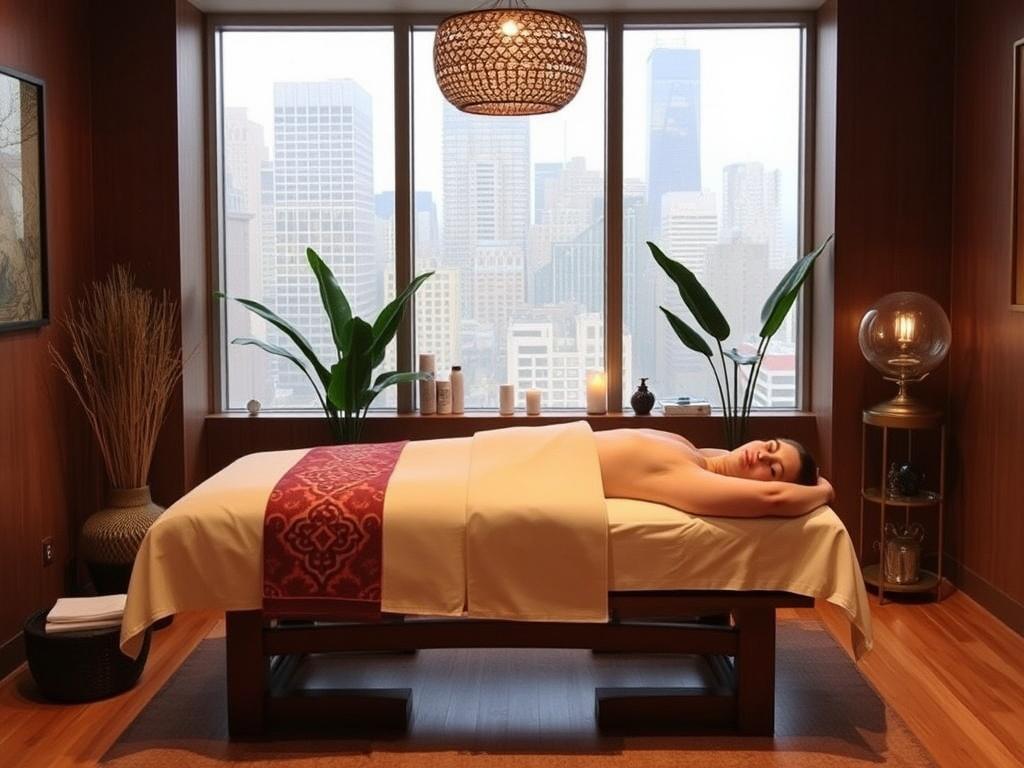
Neighborhood options span from basement studios in the East Village to upscale spas in Midtown. The “best” studio depends on what you value: strict traditional technique, a luxurious setting, or therapists with a clinical sports background. Reviews can help, but the vibe of a place will often speak louder than star ratings.
Look for studios that post practitioner bios and training details. Thai massage relies heavily on practitioner skill; good therapists explain their touch, invite feedback, and adapt pressure. Cleanliness and professional policies—clear cancellation rules, transparent pricing, and proper consent—are good signs of a reputable business.
| Studio Type | Typical Price Range (60 min) | Best For | Example Neighborhoods |
|---|---|---|---|
| Traditional Mat-Based | $60–$120 | Full-body stretching and mobility | East Village, Upper West Side |
| Table/Oil Fusion | $80–$160 | Muscular release with oils | Midtown, Chelsea |
| Medical/Therapeutic | $120–$200+ | Rehab-focused, integrated bodywork | Gramercy, Upper East Side |
Booking tips for NYC clients
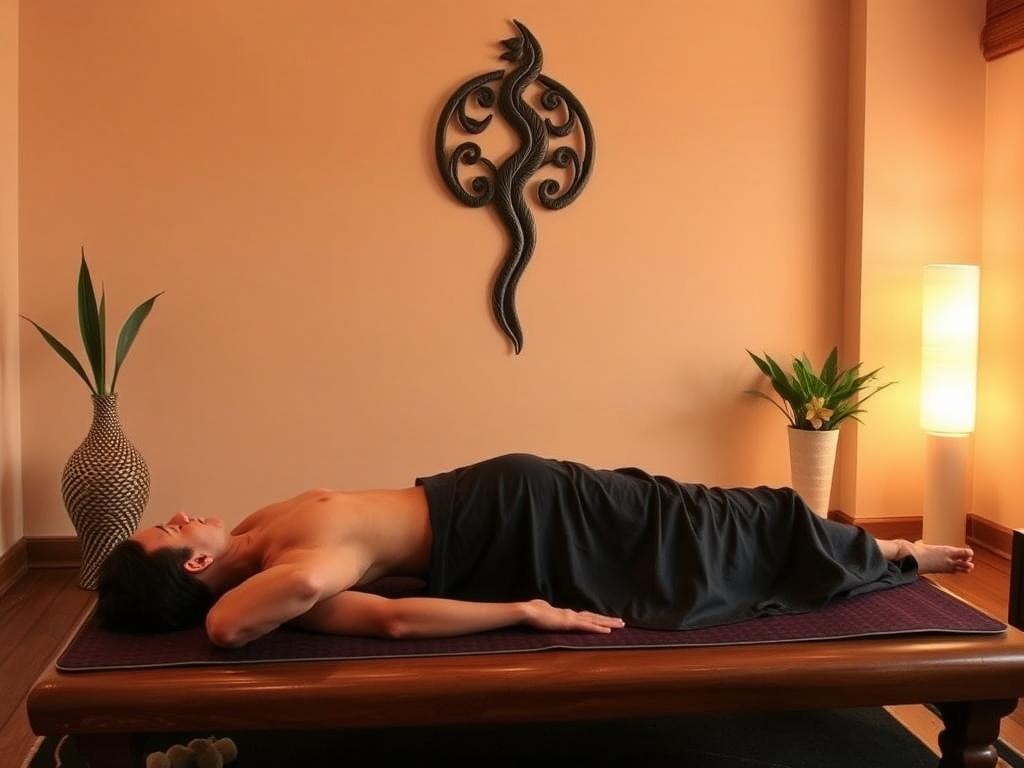
Weekend spots fill fast, so book in advance if you have a specific time in mind. Try mid-week afternoons for quieter studios and sometimes lower rates. If a studio offers a new-client special, take it—you’ll get a feel for the therapist and the space with less commitment.
Communicate openly when you arrive. Tell the therapist about pressure preferences and any sensitivities. A competent practitioner will check in during the session and adjust. If you feel bruised or overly sore afterward, that’s a signal to request gentler pressure next time.
Benefits, science, and safety
Thai massage has anecdotal support for improving flexibility, reducing pain, and enhancing circulation. Research on manual therapies is growing but not definitive; some studies suggest improvements in chronic back pain and range of motion. Many reported benefits stem from increased blood flow, reduced muscle tension, and the nervous system’s relaxation response.
Safety is straightforward: tell your therapist about medical issues, stay hydrated after a session, and allow time to rest if the work is intense. People with certain conditions—acute fractures, uncontrolled hypertension, or contagious skin conditions—should avoid deep bodywork until cleared by a doctor. Pregnant people should seek therapists trained in prenatal Thai techniques.
Common post-session reactions
It’s normal to feel both energized and mellow after Thai massage; the dual effect is part of its charm. Mild soreness can occur if very deep pressure or extensive stretching was used. Drinking water, gentle movement, and a warm shower usually help. If you experience sharp pain or dizziness after a session, contact the studio and seek medical advice.
How to choose the right therapist
Personality and communication matter. A therapist’s personal style—firm or gentle, methodical or intuitive—can make or break the experience. Don’t hesitate to try multiple practitioners until you find someone whose rhythm and technique match your needs.
Credentials and experience are also important. Many practitioners train in Thailand or with teachers steeped in the tradition. Certifications from reputable massage schools and continuing education in anatomy or therapeutic techniques indicate a commitment to safety and skill. Honest studios will list training details and encourage questions.
Checklist before your first appointment
- Read recent reviews and practitioner bios.
- Confirm session type (mat vs. table) and clothing recommendations.
- Ask about training and pain management approach.
- Check cancellation policy and any new-client discounts.
Conclusion
Thai massage in NYC is more than a trend—it’s a practical, adaptable form of bodywork that suits busy lives and varied physical needs. Whether you want deep stretching, focused pain relief, or a calmer mind, there’s likely a studio and practitioner in the city who can deliver. Start with clear communication, an open mind, and realistic expectations; the right session can leave you moving easier and thinking clearer, ready for the city’s next challenge.