
What a four-hands massage really is
Imagine lying on a massage table and feeling not two but four hands move over your shoulders, back, and limbs in a coordinated, deliberate flow. That’s the basic image of a four-hands massage: two trained therapists working together, often mirroring each other, to create a richer, more immersive experience than a single practitioner can provide.
It’s not simply “twice the strokes.” Skilled therapists synchronize rhythm, pressure, and intent so the body receives simultaneous inputs that can deepen relaxation, dissolve tension faster, and shift awareness more quickly than conventional work. The choreography matters: when hands arrive and leave in the right sequence, you sense a continuous, enveloping attention rather than isolated manipulations.
Why four-hands sessions appeal in New York
New York is a city that runs fast and loud. People here prize efficiency and experiences that truly reset them. A four-hands massage offers both: a condensed, powerful session that often feels like a larger-than-life pause. For someone carving minutes out of a packed schedule, the intensity can translate to more perceived benefit per minute.
Beyond convenience, there’s a social and cultural angle. Many Manhattan spas have elevated their wellness menus to include treatments that double as luxuries and rituals. Couples’ treatments, spa parties, and concierge-style services have conditioned clients to expect something out of the ordinary. In that environment, a four-hands massage fits both practical needs and a desire for memorable self-care.
What to expect during a session in New York
Sessions typically begin with a short consultation where therapists ask about pain points, medical conditions, and preferences. Since two therapists will be coordinating, they’ll often discuss a shared game plan before you lie down. That upfront exchange ensures both practitioners are aligned on pressure levels and areas to target.
When you enter the room, cues may be different from a standard massage. You might hear synchronized breathing or the soft whirr of a speaker cuing tempo. Therapists often start on opposite sides of the table, working in mirrored patterns. The sensation can be surprisingly gentle at first, then build into deeper work. Throughout, therapists check in verbally or with subtle tactile cues to monitor comfort.
If worry about being over-stimulated or losing a sense of control pops up—common doubts—bring it up. Good spas accommodate modifications: you can ask for slower tempo, reduced pressure, or specific areas to be skipped. Communication matters more than ever in a treatment with multiple hands involved.
Common session lengths and formats
Most New York spas offer four-hands options in 60-, 90-, and 120-minute blocks. A 60-minute session often focuses on back, neck, and shoulders; longer sessions weave in legs, arms, and scalp work. Some deluxe packages incorporate hot stones, aromatherapy, or synchronized deep-tissue sequences.
There are also variations in how the therapists collaborate. “Mirrored” technique has both therapists perform the same strokes on opposing sides. “Layered” technique stages different modalities—one therapist might perform slow, broad strokes while the other applies targeted pressure. Each approach creates a different sensory map.
Benefits and a measured look at the science
Physiologically, a four-hands massage can increase circulation and encourage nervous system downregulation through sustained touch and rhythmic stimulation. Many people report faster release of muscle tension and a deeper sense of relaxation compared with single-practitioner sessions. Subjective improvements in mood and sleep quality are common after intense, immersive bodywork.
That said, the scientific literature on four-hands specifically is smaller than on single-therapist modalities. Researchers have documented benefits of massage in general—reduced cortisol, increased parasympathetic activity, decreased pain perception—and most of those mechanisms plausibly scale to four-hands work. Still, individual responses vary widely, and what feels restorative to one person may feel overstimulating to another.
Choosing the right spa and therapists in New York
Picking where to book is part aesthetics and part logistics. Do you want a serene hotel sanctuary with plush robes and a steam room, or a boutique studio where therapists specialize in advanced techniques? Your decision will shape both the price and the atmosphere.
Credentials and chemistry matter. Look for spas that list therapist certifications and that allow you to request therapist profiles. If you’re nervous about the intensity, ask whether the spa can arrange two therapists who have trained together—synchrony improves when practitioners share a regular partnership.
| Type of Venue | Typical Session Lengths | Price Range (est.) | Best For |
|---|---|---|---|
| Luxury hotel spa | 60, 90, 120 minutes | $250–$600+ | First-timers, special occasions |
| Boutique wellness studio | 60, 90 minutes | $180–$350 | Regular clients, technique-focused work |
| Day spa | 60 minutes | $150–$300 | Affordable indulgence, shorter sessions |
| Mobile service | 60, 90 minutes | $200–$400 plus travel | In-home convenience |
What to ask before you book
Ask whether the therapists regularly work as a team, whether the session will involve strong pressure or lighter, rhythmic work, and what policies surround cancellations or switching therapists. If you have medical issues—recent surgery, neuropathy, pregnancy—make your condition known up front. Most reputable spas require a health screening before a first session.
Also inquire about the room setup: some clients prefer dim silence, others enjoy curated music or guided breathing. Confirm these details so nothing surprises you during the treatment.
Etiquette, preparation, and aftercare
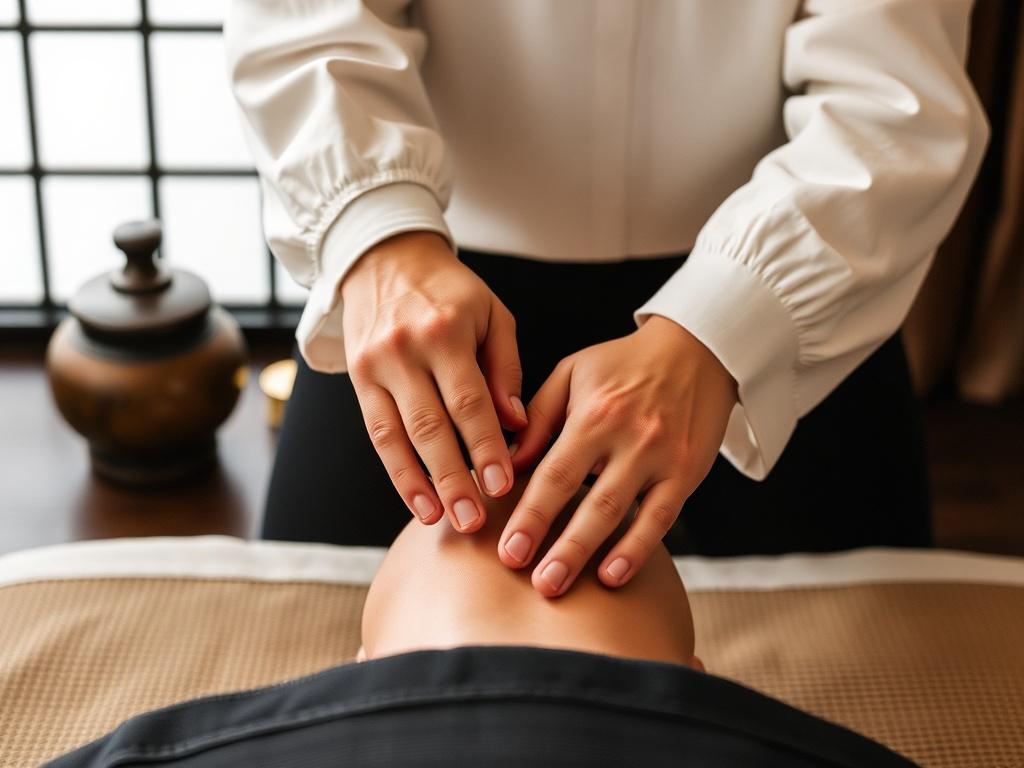
Preparing for a four-hands massage is similar to preparing for any session, but with a few extras. Hydrate well beforehand; your body will respond to deeper circulation. Eat lightly so you aren’t distracted by a full stomach. Arrive a few minutes early to settle in and fill out any intake forms.
During the massage, maintain communication. Therapists can adjust pressure, tempo, and coverage mid-session. If simultaneous touch feels disorienting, say so. They can slow the rhythm or focus on a single practitioner at a time. Removing tension often requires a cooperative conversation between client and therapists.
Aftercare matters. You might feel blissed out, drowsy, or unusually energized. Keep your first few hours low-key, sip water, and avoid scheduling intense activities immediately afterward. If soreness appears, gentle stretching and additional hydration usually help. If pain persists, contact the spa or a medical professional.
- Tip: Wear loose clothing to the spa for easier dressing post-treatment.
- Tip: Plan buffer time around your appointment so you don’t rush out into stressful traffic.
- Tip: Consider combining a four-hands session with a steam or sauna to extend relaxation.
Common concerns and how therapists address them
Many people worry that two therapists could be overwhelming or intrusive. Therapists trained in four-hands techniques prioritize consent and rhythmic restraint. They pace their work and use touch sequencing that feels continuous rather than chaotic.
Modesty is another frequent question. Draping protocols remain standard: only the area being worked on is uncovered, and therapists coordinate hand placement to maintain privacy. If you prefer to keep certain areas untouched, say so during the intake.
Finally, some clients ask whether the experience will be “worth it” compared with two separate single-therapist sessions. Often the value lies in the unified, immersive effect—therapists can create contrasts and transitions that a single pair of hands cannot. For others, a single targeted deep-tissue session may be a better investment. Think about whether you want breadth and enveloping relaxation or targeted, localized work.
Quick checklist before you book
Decide your goals: relaxation, recovery, or a mix. Choose session length accordingly—longer time unlocks deeper layers. Check therapist pairing policies and whether therapists have complementary specialties. Ask about linens, music, and room temperature preferences so your environment matches your comfort levels.
Lastly, read recent reviews but focus on comments about consistency and therapist communication. A polished room and a friendly front desk are nice; the real marker of quality is whether therapists listen and adapt. In a treatment with multiple hands, alignment between practitioners is essential, and customer feedback often reveals how well a spa manages that coordination.
Conclusion
Four-hands massage in New York is a distinctive, often transformative option for people seeking efficient, immersive bodywork; with clear communication, a thoughtful spa selection, and modest expectations, it can deliver deeper relaxation and a memorable sense of reset that fits the city’s relentless pace.